
Why Exercise Feels Harder After Having a Baby (It's Not Just You)
Welcome back to the Total Performance Newsletter! If you are a new subscriber and did not receive previous editions, check out the "Newsletter" tab on our website (www.totalperformance-pt.com) and they are all posted there. If you have trouble accessing this link, please let us know!
Before we dive into today's topic, I wanted to give a quick social media plug. Follow us on Instagram (@total_performance_pt) and Facebook (@Total Performance Physical Therapy). We have been more active in those places and will be making regular posts on ways to further help you move better, feel better, and perform better!
This month, Lindsay will be talking about why exercise feels more difficult after having a baby. Keep reading to learn more!
If exercise feels more difficult after having a baby, it’s not simply a matter of motivation or effort. There are several physiological and lifestyle factors that influence how movement feels in the postpartum period.
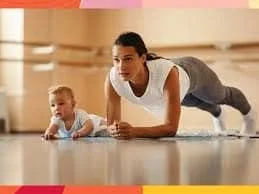
Many women assume they’re “out of shape” or need to push harder, but in reality, there are several physiological and lifestyle factors that influence how movement feels in the postpartum period.
Ongoing tissue healing
Pregnancy and birth place significant demands on the musculoskeletal system. Muscles, connective tissue, and joints continue to recover for months after delivery, even once formal medical clearance has been given.
Sleep disruption and fatigue
Sleep deprivation impacts strength, coordination, recovery, and overall exercise tolerance. When rest is limited, the body’s capacity for physical stress is reduced.
Changes in core and pelvic floor function
The core system - including the pelvic floor, diaphragm, and deep abdominal muscles - often requires retraining after pregnancy. Without adequate coordination and support, exercise can feel more challenging or uncomfortable.
Increased physical and cognitive load
Repetitive lifting, carrying, feeding, and prolonged postures place ongoing demands on the body. Mental fatigue also plays a role in perceived exertion during exercise.
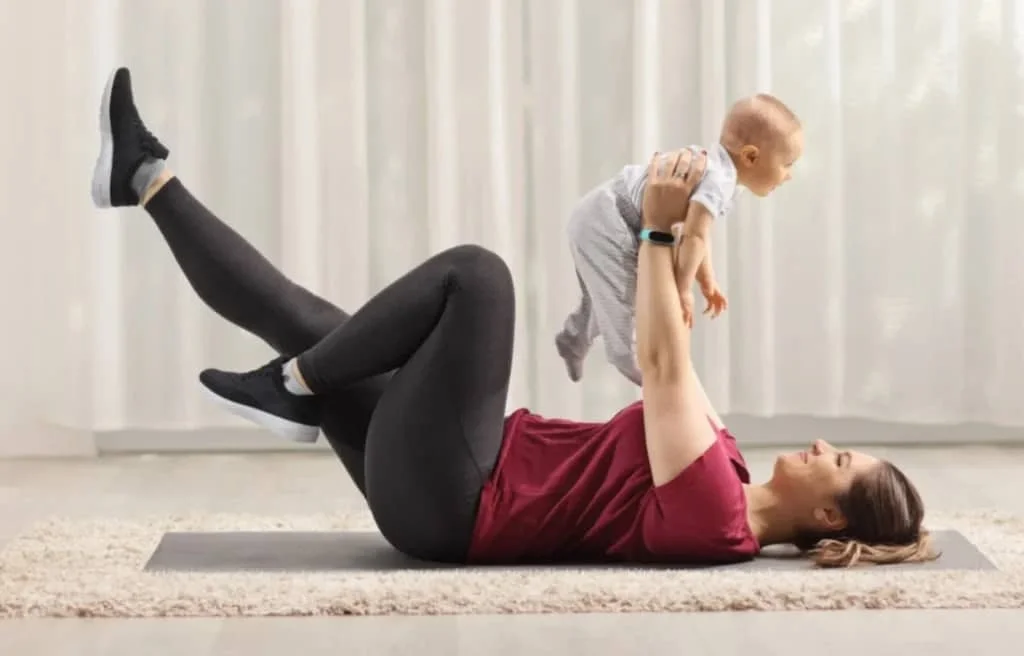
One important note
You’ve likely heard the “6-week clearance” guideline for returning to exercise.
While this can be an important medical checkpoint, it doesn’t mean the body is fully ready for all forms of exercise or a return to previous intensity.
Postpartum recovery is highly individual.
Factors like sleep, support at home, your baby’s temperament, daily physical demands, and even your activity level before pregnancy (from elite athlete to less active) all influence how your body responds to exercise.
Because of this, a one-size-fits-all timeline doesn’t work.
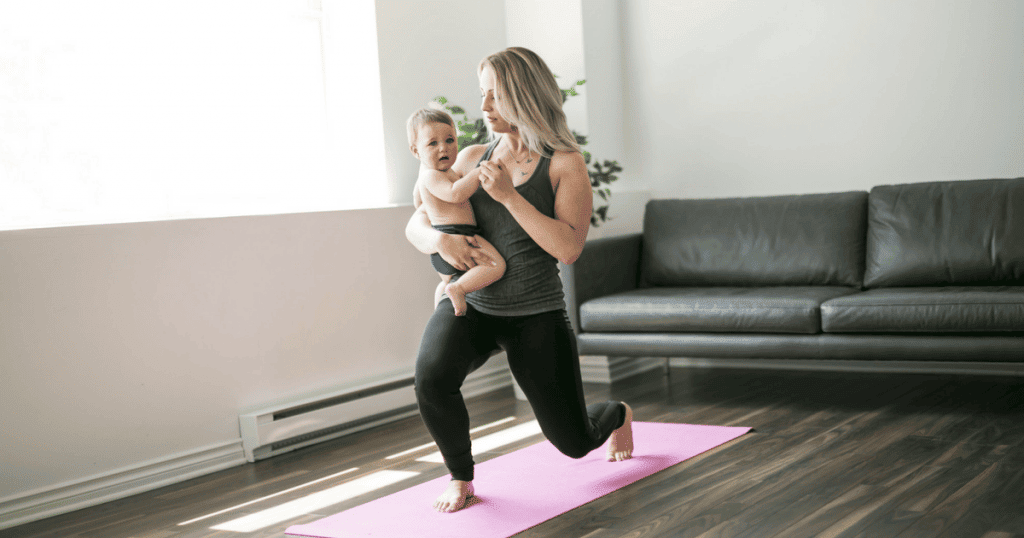
Key Takeaway: postpartum exercise is most effective when it focuses on a gradual rebuilding rather than intensity or speed. A structured, supportive approach can help movement feel more sustainable and comfortable over time.
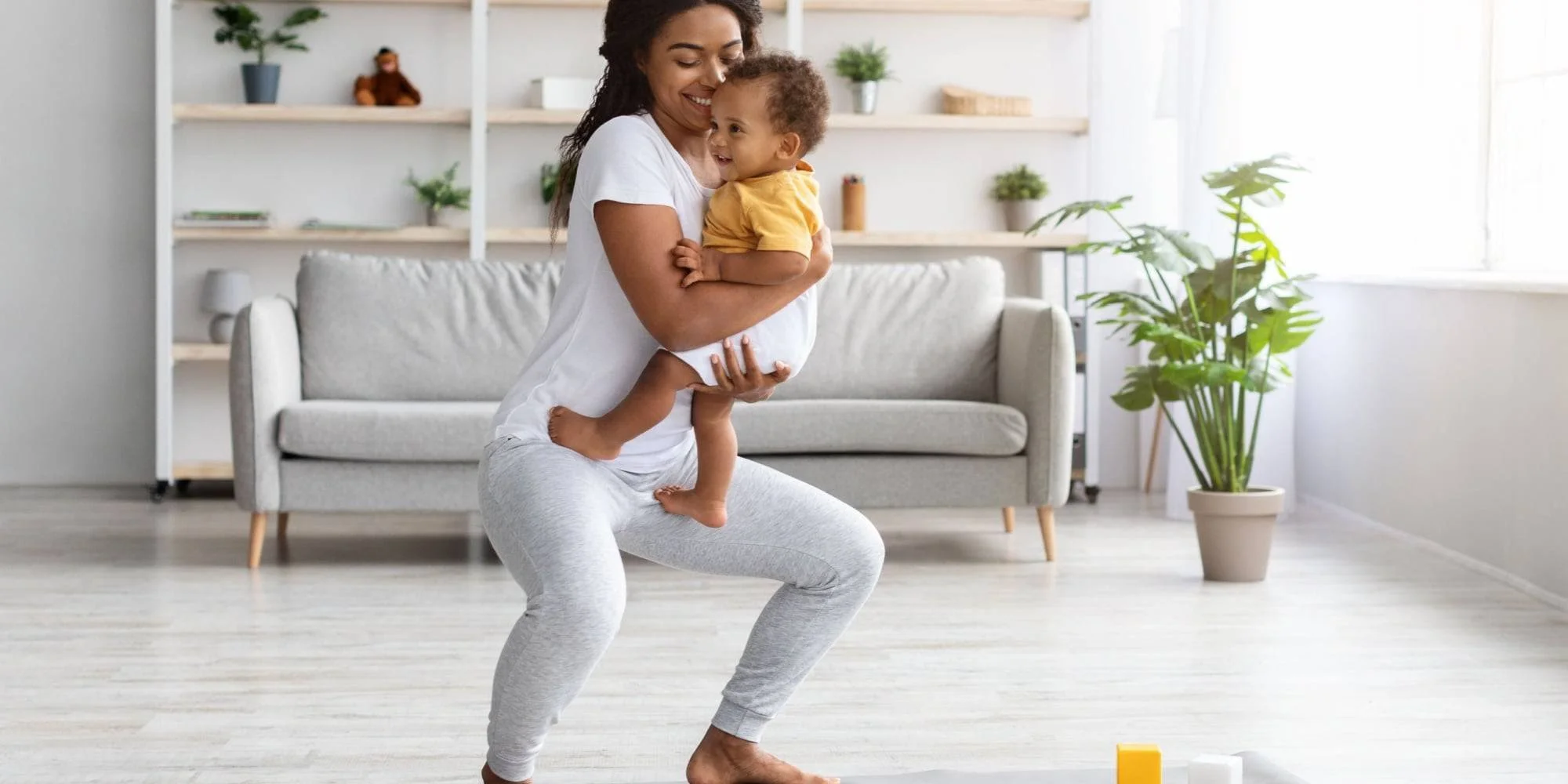
If exercise feels harder than expected, it doesn’t mean something is wrong with you.
It often means the body needs a different starting point.
If you or someone you know is postpartum and needs help getting back into exercise, feel free to reach out-we are here to help!
Stay tuned for next month’s newsletter, where will we continue to look into some common issues that arise and practical solutions to deal with them. Also, if you have any topics that you want to see covered in a future newsletter, please let us know!