
Gains Happen Outside The Gym, Not In It
Welcome back to the Total Performance Newsletter! If you are a new subscriber and did not receive previous editions, check out the "Newsletter" tab on our website (www.totalperformance-pt.com). and they are all posted there. If you have trouble accessing this link, please let us know!
Before we dive into today's topic, I wanted to give a quick social media plug. Follow us on Instagram (@total_performance_pt) and Facebook (@Total Performance Physical Therapy). We have been more active in those places and will be making regular posts on ways to further help you move better, feel better, and perform better!
This month, Brett will be talking about the importance of recovery in both rehab and training and clarifying the seemingly contradictory title.
Yes, I know, the title above doesn't make much sense. Why would you go to the gym if that's not where the gains happen? Let me explain.
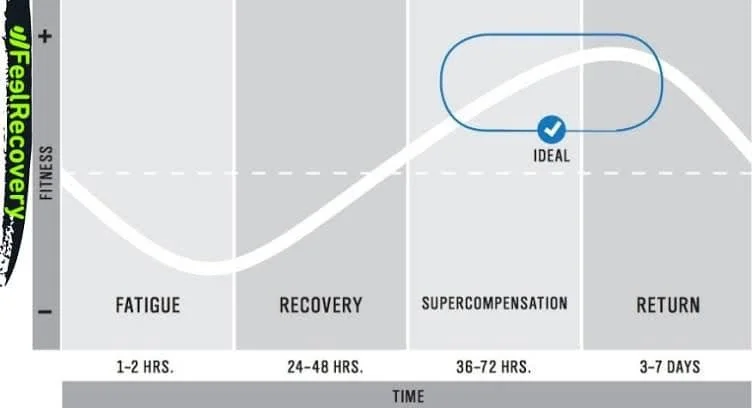
When you go to the gym, you apply stress to your body. Whether it's a brutal leg workout or a gentle rehab session with manual therapy and light mobility work, you are challenging your system to some extent. In theory, at the end of a training or rehab session, your overall "readiness" to perform is lower. Even if you feel really good, if you continued to do more work, it would end up being too much.

This is different if you did a session that is intentionally meant to prime your body for an activity, such as a warm up for a round of golf-different discussion for a different newsletter.
So, how do we make gains then?? This is where recovery comes into play. After the application of stress to the body, the recovery process is triggered. Blood and nutrients are sent to muscles, tendons, ligaments, bones, and other structures that need healing. The nervous system adapts and tries to remember the heavy weight you lifted or the new mobility you gained so that it can be better prepared for the next time you need those qualities. A whole cascade of hormones are stimulated that spur these processes along.
And this is where the magic happens. This recovery process is where the gains are actually made. The recovery from the application of stress is where adaptations occur. Adaptation is just a fancy term for gains. And gains can mean anything from growing muscles and getting stronger to improving mobility and getting out of pain.
So, how do we recover? I think about recovery in two tiers. Tier 1 are your fundamentals-sleep, nutrition, hydration, volume management. Tier 2 are nice add ons-sauna, hot tub, cold plunge, red light therapy, massage, other "fads" that seem to come and go in popularity. I'll go through Tier 1 quickly and then share some thoughts on Tier 2.
There are no magic pills, but if there was one, it would contain the benefits of sleep. 7-9 hours/night is pretty non-negotiable-you can get away with less, but at a cost and only for so long. If you're curious about sleep, read Why We Sleep by Matthew Walker (click here for the link).
Nutrition is equally important. Food provides fuel and building blocks. We need fuel to power our system and we need the raw materials to heal and build new/stronger structures.
Depends who you ask, but our bodies are 50-75% water. Every structure in our body needs, and is made of, water. Make sure you have plenty of it if you want to recover.

Volume management is basically just tracking how much of something you do and progressing that amount appropriately. Sitting on the couch to running 5 miles is not a good idea. Slowly building up towards that 5 miles is a much safer method. You can be doing all the right exercises with perfect technique, but if you do too much too soon, you're making it way more difficult to recovery, if not increasing chance of injury. A qualified professional can help you manage volume of your training/rehab program.
For Tier 2, I'm a fan all of those things. I don't think any of them are actually fads and I frequently recommend those recovery methods and even use a few myself. But if Tier 1 is not taken care of, Tier 2 will do nothing. Keep that in mind as you take inventory of your overall rehab/training journey.
I hope you found this information helpful and came away with an understanding that what you do outside the gym is just as important as what goes on in the gym. If you have any questions or need some help managing this stuff, let us know. We're here for ya!
Stay tuned for next month’s newsletter, where will we continue to look into some common issues that arise and practical solutions to deal with them. Also, if you have any topics that you want to see covered in a future newsletter, please let us know!