
Strong Moms Social Announcement and Athletic Low Back Pain Course
Welcome back to the Total Performance Newsletter! If you are a new subscriber and did not receive previous editions, check out the "Newsletter" tab on our website (www.totalperformance-pt.com) and they are all posted there. If you have trouble accessing this link, please let us know!
Before we dive into today's topic, I wanted to give a quick social media plug. Follow us on Instagram (@total_performance_pt) and Facebook (@Total Performance Physical Therapy). We have been more active in those places and will be making regular posts on ways to further help you move better, feel better, and perform better!
This month, we will be introducing our upcoming event, Strong Moms Social, and recapping a course that both Brett and Lindsay took this past weekend. Keep reading to learn more!
Strong Moms Social
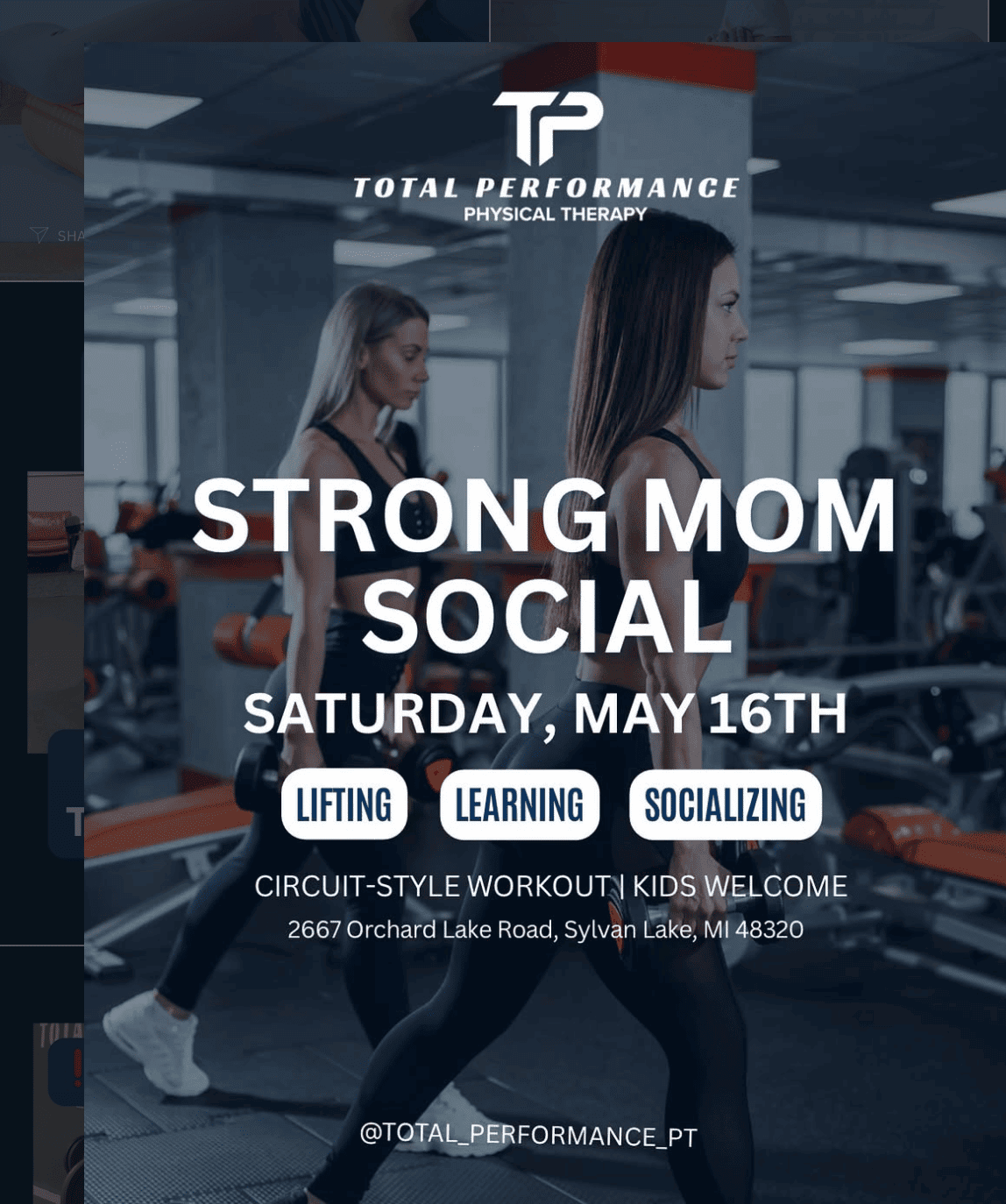
We are very excited to announce our upcoming event, Strong Moms Social! It will be held May 16 11am-12pm at Total Performance. It will be a 1 hour workout ran by Lindsay for moms who want to stay strong, move well, and meet other like-minded women. Feel free to stick around after for coffee and desserts as well!
Our goal is for this to be a pressure-free, enjoyable workout that can be scaled to any level of fitness. We encourage you to bring your kids if you want-they may even be incorporated into the workout itself!
We are capping the attendance at 15, so there are limited spots available! If you or someone you know may be interested, feel free to reply to this email or call/text Brett (734-772-1064) or Lindsay (248-238-8434). Hope to see you there!
Athletic Low Back Pain Course
This past weekend Brett and I took a deep dive into athletic low back pain at a course put on by Rehab Renaissance, with a specific focus on spondylolysis in young athletes. I wanted to share a few key takeaways that are especially relevant for parents, coaches, and active individuals.
Risk factors for low back pain in athletes include:
Sport
Position
Sex
Training volume
Years of exposure
BMI
Trauma
Previous episode of low back pain
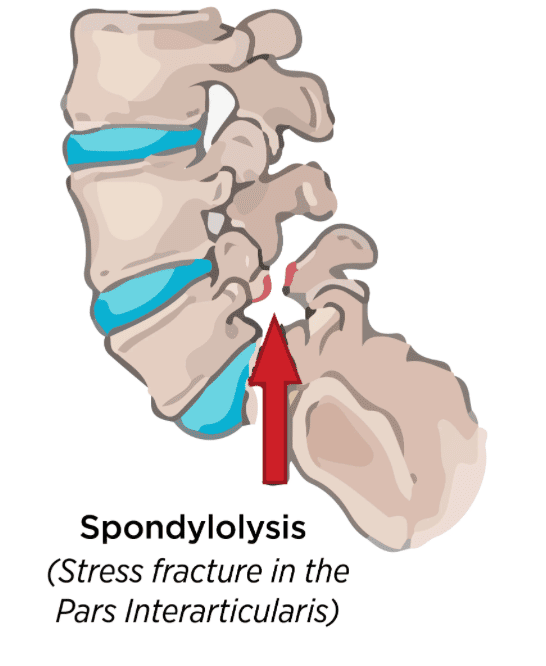
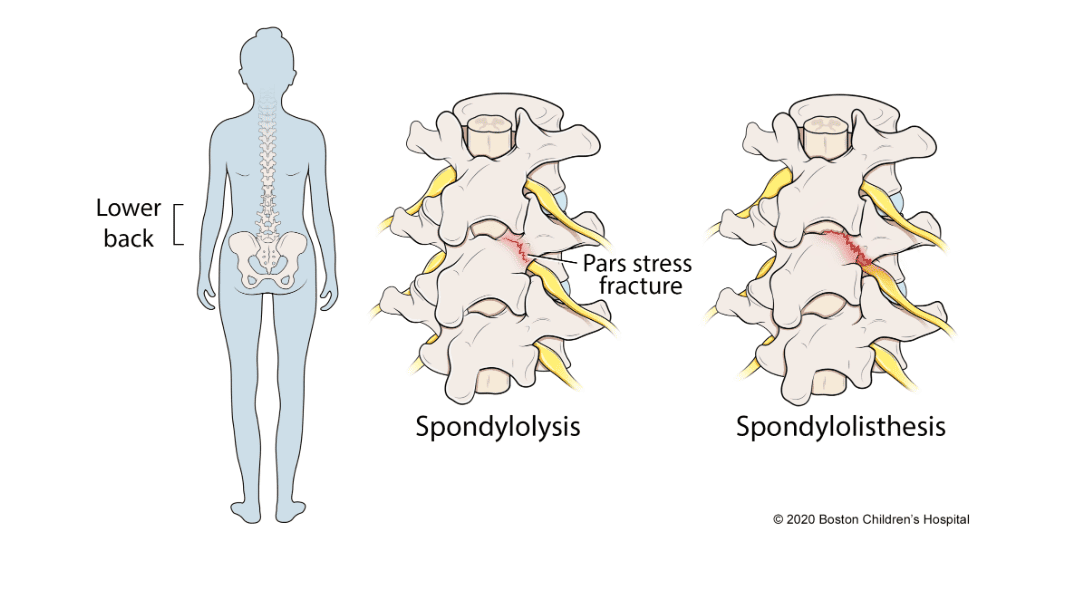
What is spondylolysis?
Spondylolysis is a stress injury to a part of the vertebra called the pars interarticularis. It’s most commonly seen in middle school, high school, and college athletes, particularly those involved in sports that require repeated extension and rotation (think gymnastics, hockey, football, and baseball).
Many athletes can be asymptomatic. Symptoms include insidious low back pain with occasional radiation into the buttock or thigh.
How common is it?
Low back pain in young athletes is more common than many people realize (rates can range from 18-65%) , and spondylolysis is one of the leading causes. Some estimates suggest it may be present in up to 14-30% of symptomatic athletes (2-5x higher than non-athletes).
Things that may predispose an athlete to spondylolysis:
Repetitive extension-based movements (arching the back)
High training volume without adequate recovery
Rapid growth periods
Limited hip mobility or poor trunk control
Early sport specialization
Why early recognition matters
One of the biggest takeaways from the course: early identification is key. When caught early, spondylolysis typically responds very well to conservative care. If diagnosed early, there is a chance of returning to previous level of performance (80-90%) in 3-6 months. Ignoring symptoms or pushing through pain can prolong recovery and, in some cases, lead to more persistent issues.
What does early treatment look like?
Temporary modification of aggravating activities
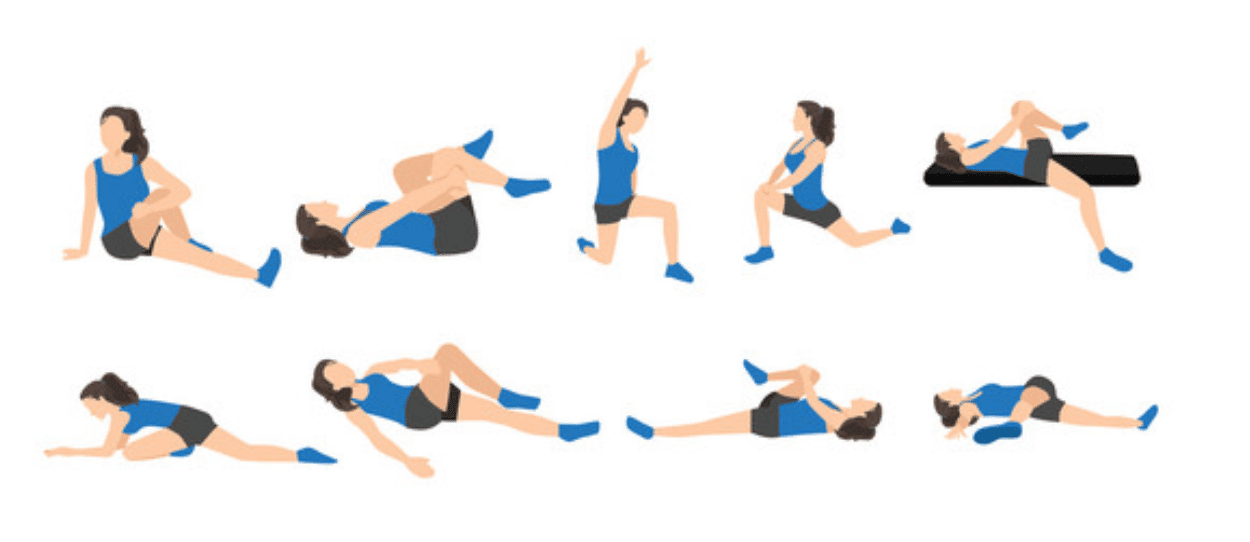
Participation in light sport/activity specific, low impact activities (AKA physical therapy)
Gradual reintroduction of movement
Focus on core control, hip strength, and movement mechanics
Education on training load and recovery
The goal isn’t just to get athletes out of pain, it’s to help them return to their sport stronger, more resilient, and better equipped to handle the demands of their activity.

Physical therapy can help bridge the gap between rehab and return to sport by determining where the athlete is currently and where they need to go.
If you’re a parent or athlete dealing with ongoing low back pain, don’t ignore it. Early guidance can make a huge difference in both recovery time and long-term performance.
As always, feel free to reach out with questions or if you’re not sure where to start.
Stay tuned for next month’s newsletter, where will we continue to look into some common issues that arise and practical solutions to deal with them! Also, if you have any topics that you want to see covered in a future newsletter, please let us know!