
Welcome back to the Total Performance Newsletter! If you are a new subscriber and did not receive previous editions, check out the "Newsletter" tab on our website (www.totalperformance-pt.com) and they are all posted there. If you have trouble accessing this link, please let us know!
Before we dive into today's topic, I wanted to give a quick social media plug. Follow us on Instagram (@total_performance_pt) and Facebook (@Total Peformance Physical Therapy). We have been more active in those places and will be making regular posts on ways to further help you move better, feel better, and perform better!
This month, you will notice Lindsay will continue to be writing the newsletter. Lindsay has extensive expertise in all things orthopedic rehab while also specializing in pelvic floor/perinatal rehab. We are very excited to share her insights and knowledge!
For today’s newsletter, Lindsay will be focusing on things she wished she focused on to prepare for postpartum.
Things I Wish I Did to Prepare for Postpartum
When people talk about preparing for a baby, the focus is usually on the nursery, the registry, and the birth plan. What I didn’t fully realize until after the fact is how much my body needed preparation too. Postpartum recovery isn’t just about rest, it’s about how well your body can adapt, heal, and function during a time of massive change.
Looking back, there are a few simple things I wish I had prioritized during pregnancy that would have made a huge difference in how I felt after delivery.

1. Thoracic Mobility

During pregnancy, your body naturally shifts forward as your belly grows. It’s so easy to fall into a rounded, slouched posture, especially when you add in fatigue, sitting more, or feeding positions postpartum. I wish I had spent more time maintaining mobility through my upper back (thoracic spine).
Why it matters:
Good thoracic mobility supports better posture, reduces neck and shoulder tension, and allows your rib cage to move more freely. This becomes especially important postpartum when you’re feeding, holding, and carrying your baby for hours each day.
What I would have done:
Simple movements like thoracic extensions over a foam roller, open books, quadruped thoracic rotation or gentle rotations in half kneeling could have helped keep my upper back from feeling stiff and overworked. Even a few minutes a day would have gone a long way.
2. Breathing & Diaphragm Work

This is the one I really underestimated. Pregnancy changes how your diaphragm moves, how your ribs expand, and how your core and pelvic floor coordinate. I wish I had spent more intentional time reconnecting with my breath.
Why it matters:
Your diaphragm, core, and pelvic floor all work together. If your breathing is shallow or chest-dominant, it can contribute to increased tension, poor pressure management, and difficulty reconnecting with your core postpartum.
What I would have done:
Practicing slow, intentional breathing, focusing on 360° rib expansion (front, sides, and back) in order to help me maintain that connection. Lying on my back or side, feeling my ribs move with each inhale, and allowing my pelvic floor to relax and respond naturally would have set a much better foundation for recovery.
3. Adductor Strength
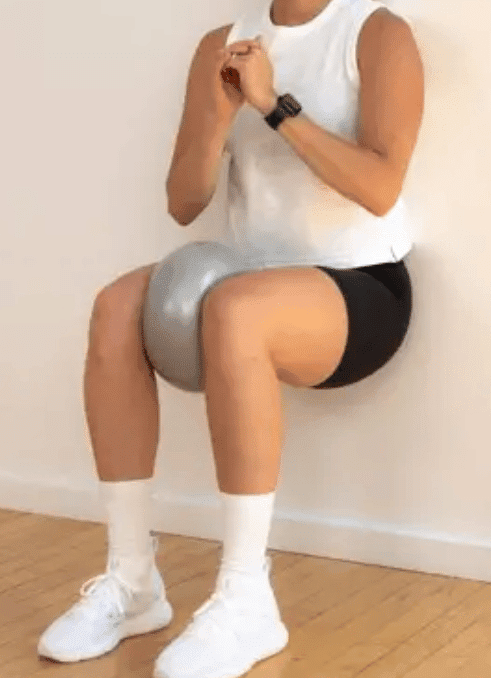
This one often gets overlooked, but the adductors (inner thigh muscles) play a huge role in pelvic stability and support. I didn’t realize how connected they are to the pelvic floor until I needed that support postpartum.
Why it matters:
Your adductors assist with pelvic stability and help coordinate with your deep core and pelvic floor muscles. Weakness here can contribute to feelings of instability, pelvic discomfort, or difficulty returning to exercise.
What I would have done:
Incorporating simple strengthening exercises like ball squeezes, squats with a ball squeeze or lateral lunges would have helped build a stronger, more supportive system.
Final Thoughts
If I could go back, I wouldn’t overhaul my entire routine, I would just be more intentional. A few minutes a day focusing on mobility, breath, and foundational strength could have made my postpartum experience feel more supported and less overwhelming physically.
The goal isn’t perfection. It’s giving your body the tools it needs to adapt, recover, and keep up with the demands of motherhood.
And if you’re already postpartum? It’s not too late. These are still some of the best places to start.
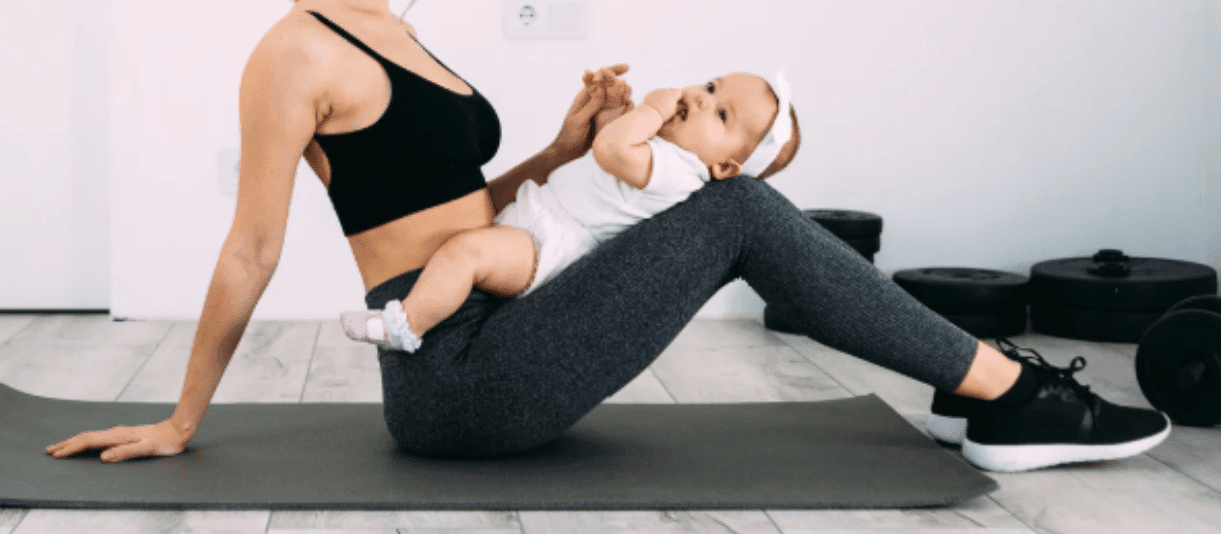
Whether you’re pregnant, postpartum, or simply ready to strengthen your foundation, call Lindsay at (248) 238-8434 or email lindsay@totalperformance-PT.com to schedule your pelvic floor appointment at Total Performance Physical Therapy in West Bloomfield today. If you mention this newsletter, you will receive 10% OFF your next appointment.
Your pelvic floor is part of your team, let’s give it the care it deserves.
Stay tuned for next month’s newsletter, where will we continue to look into some common issues that arise and practical solutions to deal with them! Also, if you have any topics that you want to see covered in a future newsletter, please let us know!